



Originating from the Latin word luxus, meaning "excess" or "opulence," luxury has traditionally been defined as the state of excessive comfort and extravagant living. In today's status-driven world, however, where the precious currency of time is combined with curated experiences, luxury has taken on a deeper meaning.
To discover exactly how it's defined in today's fast-paced landscape—where demand is a consequence of desire—I consulted leading French "quiet luxury" brand founders and experts.
While the Dior logo is clearly a marker of high status, symbolising timeless Parisian elegance and meticulous craftsmanship, it's not merely a label that defines luxury. When items become accessible to many and are worn by the masses, the elite status behind them often fades—and so does the desire.
"Luxury today is no longer about logos or abundance. It is about meaning, authenticity, and human connection," shares Mari Samvelyan of fashion label Koshka Paris.
The Paris-based designer is dedicated to producing locally in limited-edition collections, "with intention and without compromise."
The founder of this fashion house, now celebrating 20 years with two boutiques lining the Right and Left Banks, confidently adds that "true luxury is about preserving beauty, craftsmanship, and meaning."
Hermès is undoubtedly a French brand synonymous with luxury. Founded in 1837, the label first became known for its handcrafted, award-winning saddles and harnesses. It wasn't until the early 20th century that Hermès introduced scarves and handbags, later celebrated through the iconic Kelly and Birkin bags.
A former Hermès sales associate known as Miss Faubourg on social media, Melissa Ladd explains what makes the brand unique in the luxury market: "Hermès maintains a status that goes beyond mere label or quality desire. It has a fantastic mixture of whimsy, quality, and brand history, along with storytelling, which allows it to float above the rest."
Reflecting on today's luxury consumer, Ladd continues: "People are making much more conscientious decisions and purchasing with intention. Purchases are thought about longer and considered fully, rather than buying frenetically to have whatever is most desirable at the moment."
"For us, luxury begins with two things: authenticity and time." — CEO Mathieu Roland-Billecart
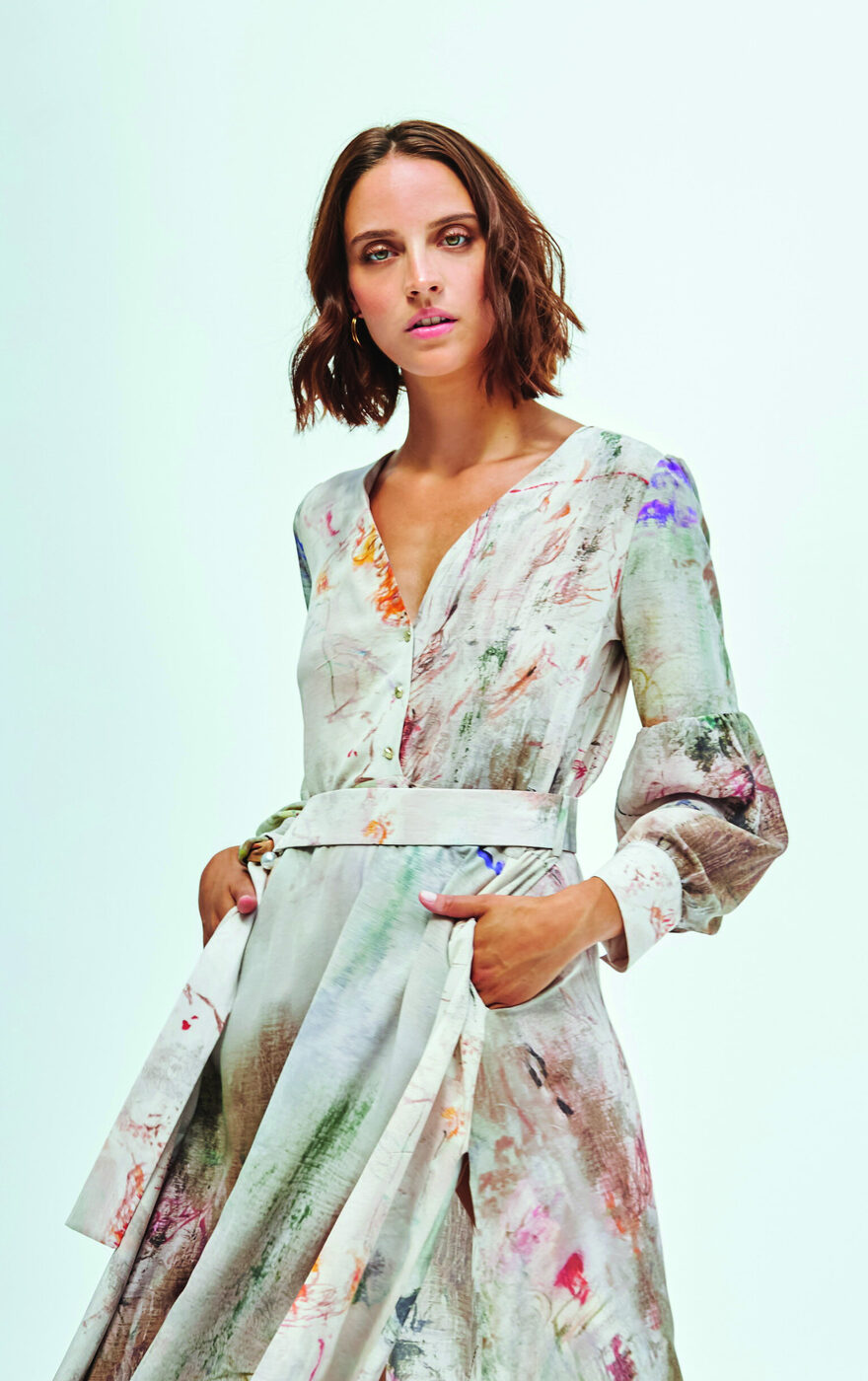
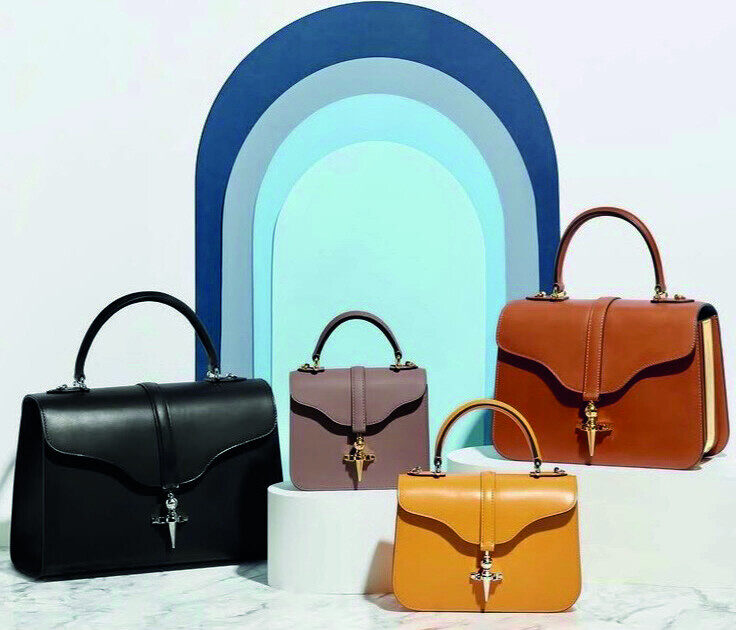
"True luxury is about preserving beauty, craftsmanship, and meaning."
Maison Joseph Duclos, a high-end handbag label launched in 2021, is also rooted in French luxury: objects designed to last forever and crafted from the finest materials by exceptional artisans using the most refined techniques. With former Hermès and Moynat designer Ramesh Nair at the helm as Creative Director, the house is seamlessly elevating the concept of quiet luxury.
Comparing the brand with Hermès, Melissa Ladd comments: "The quality is even better. Joseph Duclos' production is small enough that they can control the results to such a point that they surpass what we see at Hermès."
Add impeccable craftsmanship, desirable designs, an affirming customer experience, and a name few have heard of, and you have a compelling new definition of luxury.
A luxury lifestyle is not only dictated by fashion brands. Simply spotting a bottle of bubbles from heritage-rich Champagne house Veuve Clicquot symbolises haute status and can be found in fine establishments around the world. For Champagne connoisseurs, La Grande Dame is produced only in exceptional harvest years using grapes from Grand Cru vineyards.
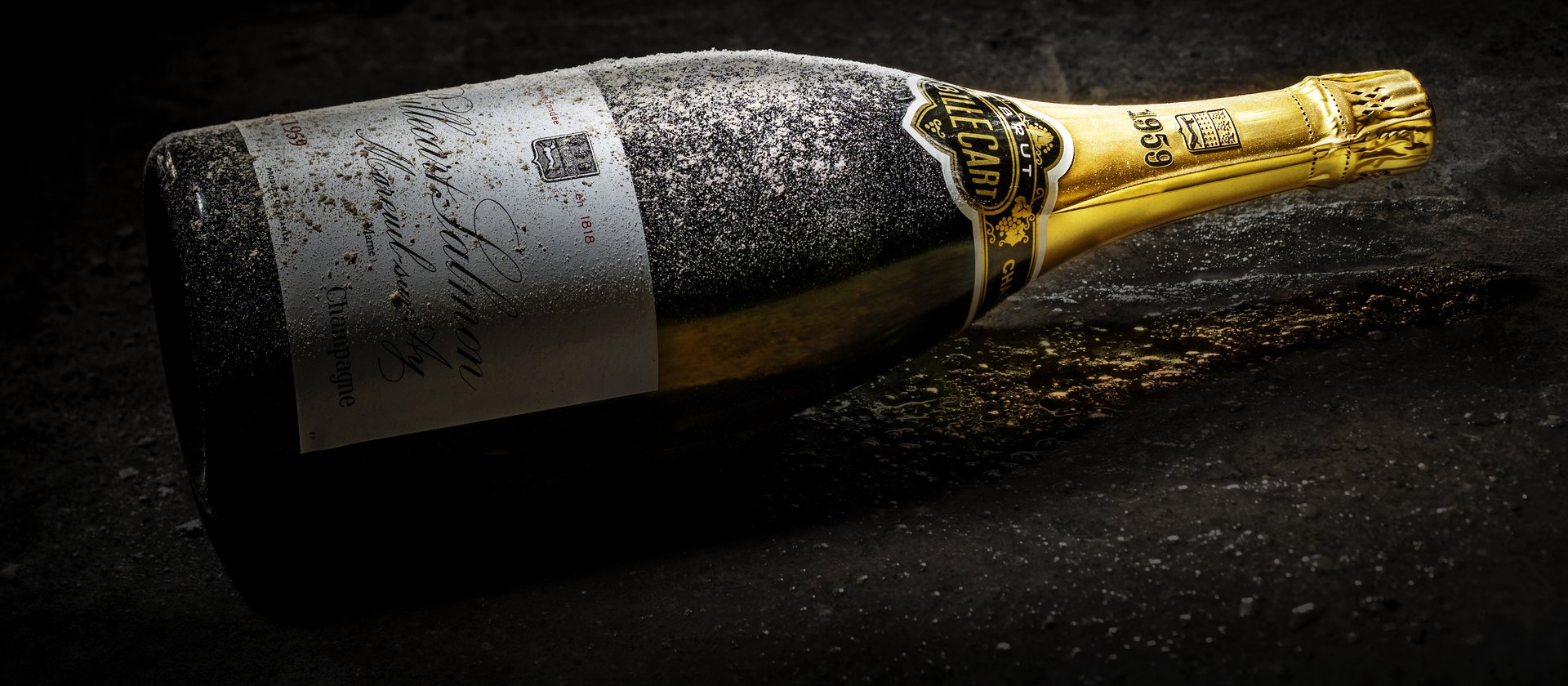
Now compare this well-known LVMH-owned brand with the lesser-known, 200-year-old family-run Champagne house Billecart-Salmon.
CEO Mathieu Roland-Billecart, the seventh generation of his family to lead the company, explains: "For us, luxury begins with two things: authenticity and time. Neither can be created overnight or acquired simply by spending more. They have to be built over many years."
A perfect example is the recently released 2013 vintages of Cuvée Louis Salmon and Cuvée Elisabeth Salmon. Roland-Billecart says: "Many other producers are releasing 2018 vintages or younger. We do not release a wine simply because the market expects something new. We keep it in our cellars until we believe it is ready."
Less is definitely more—and better.
He concludes by explaining what makes Billecart-Salmon a niche Champagne leader: "Being family-owned gives us the freedom to be patient and to make decisions based on the wine itself. To us, that is one of the truest forms of luxury."